
Website Visual Design
What your developer needs from a website designer
05 Oct, 2026

Explore
by topic.

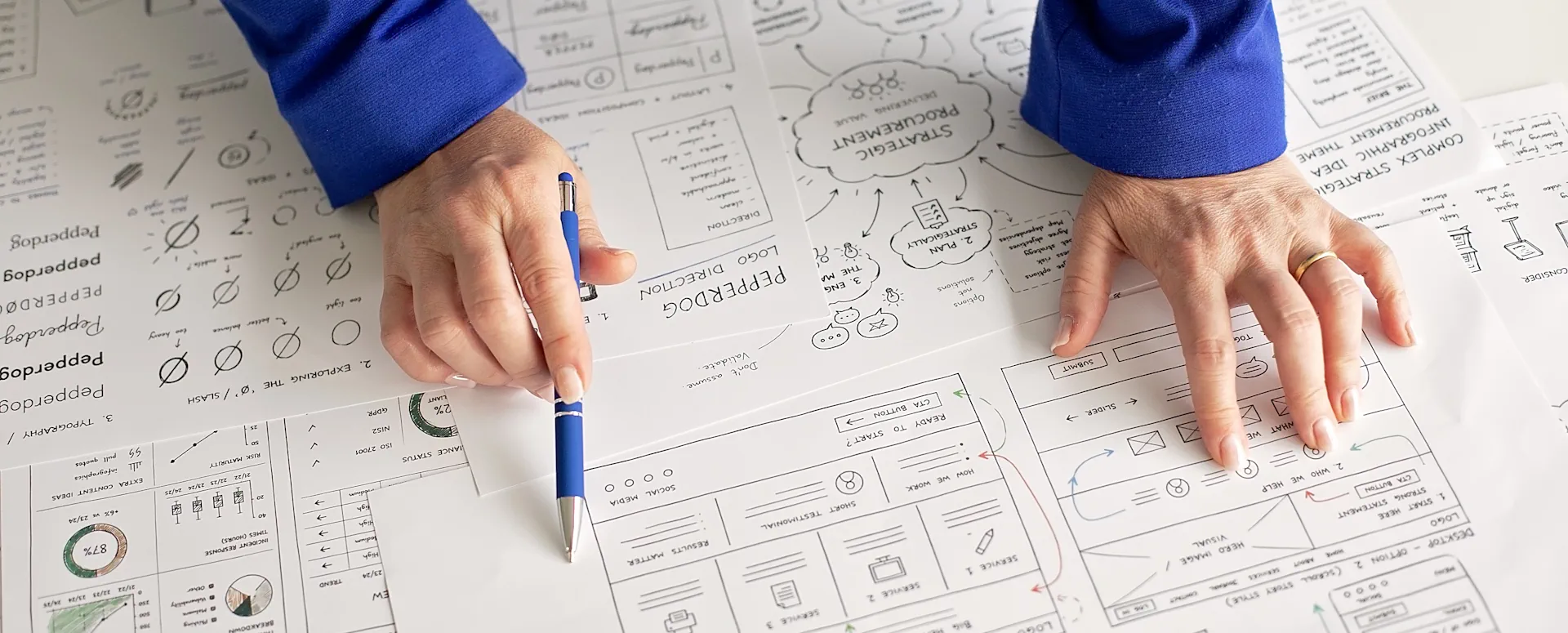
Good design does not begin with choosing a typeface, placing an image or opening a blank page in InDesign. It begins with understanding.
Before any visual decisions are made, there needs to be a clear picture of what the communication is for, who needs to engage with it and what they should understand or do next.
That early thinking gives every design decision a reason. It turns a page that simply looks polished into a piece of communication that works.
Start with the purpose
A report, consultation document, campaign or website may have plenty to say, but design cannot give everything equal emphasis. The purpose of the project helps establish what matters most and creates a hierarchy that guides the audience through the information.
That is why the first conversation is often full of questions. What does success look like? Who is the primary audience? Where will they encounter the work? What might prevent them from understanding or acting?
Ask better questions
A good brief provides direction, but useful conversations often uncover something more. There may be several audiences with different needs, a message that has become buried, or practical considerations around accessibility, format, production and delivery.
Identifying those things early saves time later. It also means the finished design is based on the realities of the project rather than assumptions.
Make content clearer
Design works best when content and layout develop together. Long sections may need clearer signposting. Important evidence might be more effective as a graphic. Repeated information can often be simplified. A strong visual hierarchy helps readers find what they need without working for it.
This is especially important for public sector and corporate communications, where information often needs to serve several audiences while remaining accurate, accessible and easy to navigate.
Design with confidence
Once the purpose, audience and content are understood, creative decisions become much more focused. Typography, colour, imagery and structure become tools chosen to support the communication. The result is not just a better looking piece of work. It is a clearer, more useful and more confident one.
About the author
Lisa Conroy is the founder and designer behind Pepperdog, bringing more than 25 years of experience across graphic design, accessible communications, websites and print.
Through these articles and her regular insights on LinkedIn, Lisa shares the practical knowledge, honest advice and informed perspective gained from delivering complex communications for public sector organisations, businesses and creative partners across the UK. Her focus is always on helping people make clearer decisions, avoid costly mistakes and create design that genuinely works.

Related articles
Design Thinking
05 Oct, 2026
The strongest design work begins with questions. Before choosing type, colour or imagery, it pays to understand the audience, the purpose and what success needs to look like.